




Sporting Event Hospitality Staff for Suites, Sponsors and VIP Parties
- Sporting event hospitality staff support owner suites, executive lounges, VIP parties, sponsor receptions, and premium event areas.
- Large sporting events often require bartenders, wait staff, banquet staff, catering staff, bussers, and kitchen support.
- Hospitality teams help maintain food service, beverage flow, guest interaction, suite service, and presentation standards.
- Premium event areas often overlap with sporting event security and sporting event guest services.
- Professional hospitality staffing helps create polished experiences for sponsors, executives, private guests, and venue operators.
Sporting Event Hospitality Staff Support Premium Guest Experiences
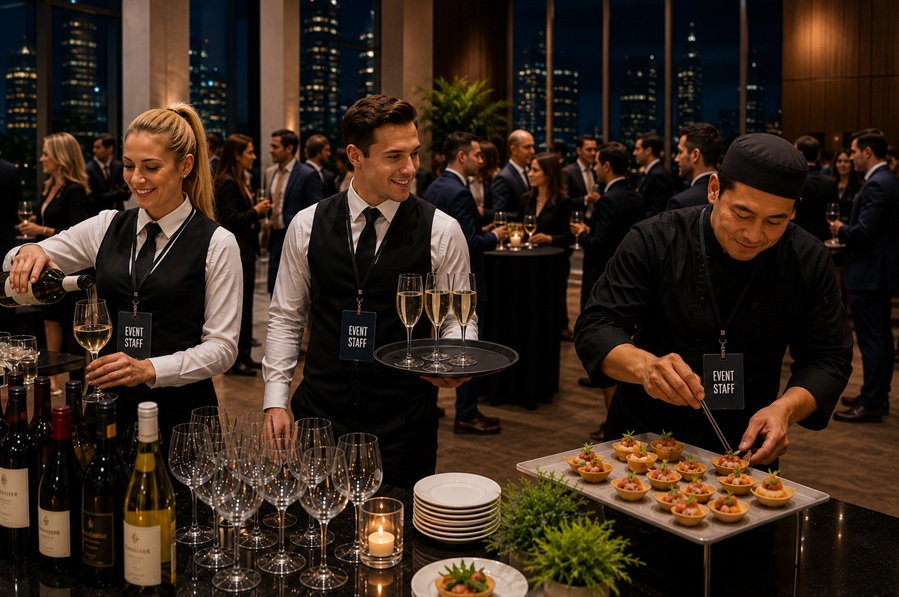
Professional service staff help create polished and memorable experiences throughout owner suites, executive lounges, sponsor receptions, VIP clubs, stadium restaurants, and premium event environments. Modern sporting events now extend far beyond the game itself. Many guests attend these events expecting upscale entertainment, professional service, and high energy social experiences operating alongside the primary competition. Large sporting events frequently combine hospitality, entertainment, business networking, media operations, and sponsor activations into one coordinated event ecosystem. Hospitality staffing teams support these environments through organized food service, beverage service, guest interaction, buffet support, suite service, and event coordination throughout the venue. Whether in Dallas, Frisco, Arlington, Fort Worth, Austin or Houston, those who live in or visit Texas learn to love the sports, the food and the southern hospitality.
Service staff assist with private owner suites, sponsor lounges and executive receptions. They also support media hospitality spaces, product activations, and outdoor entertainment districts. These positions require professionalism, communication skills, organization, adaptability, and strong guest awareness within fast paced event environments. Many modern sporting events also create temporary hospitality environments outside the stadium itself. Fan festivals, outdoor sponsor villages, luxury tailgates, rooftop receptions, and corporate entertainment spaces often require polished hospitality staff. Industry discussions about hospitality staffing for large events continue emphasizing how service teams support premium guest experiences during high attendance events.
Supporting Owner Suites and Executive Lounges
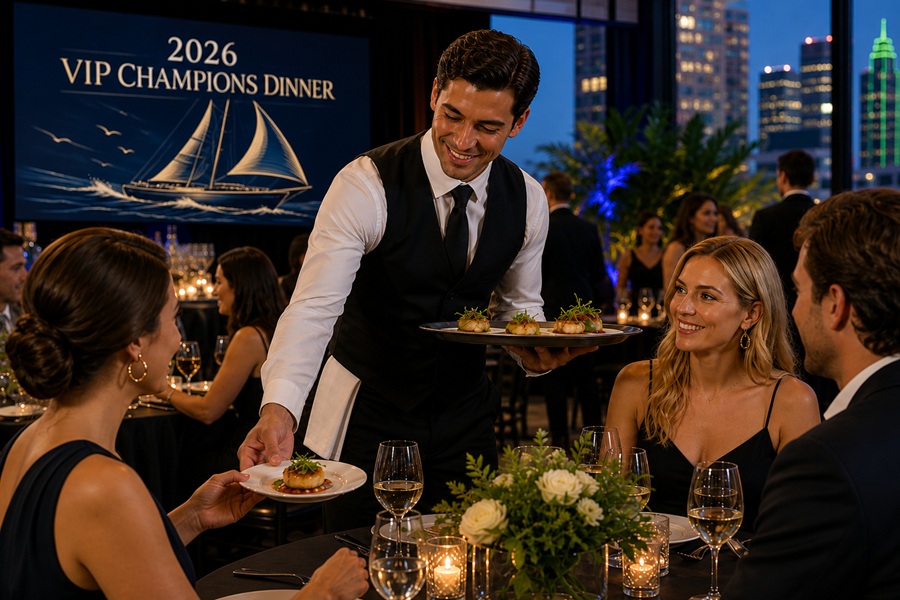
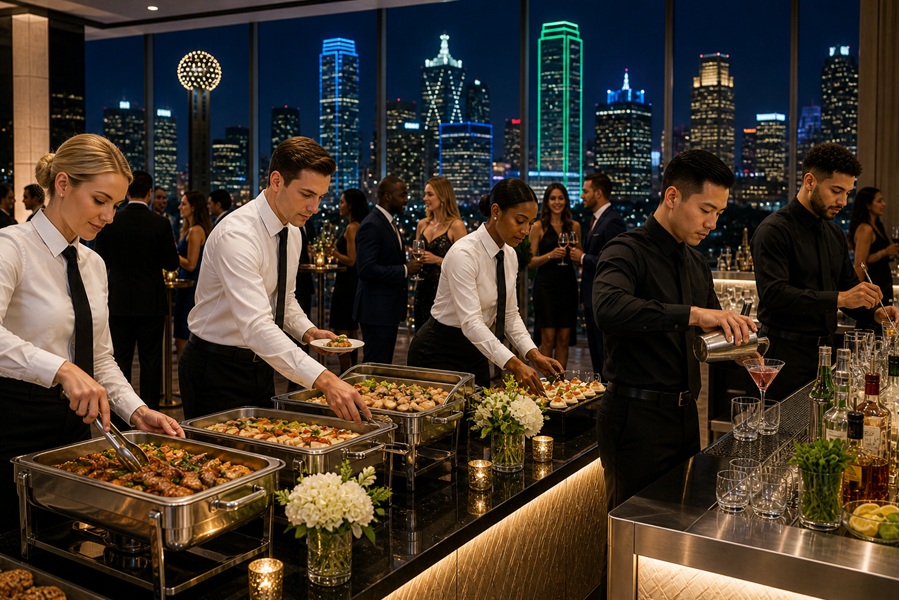
Owner suites and executive hospitality environments often require some of the highest service standards within sporting event operations. Guests within these spaces may include corporate executives, sponsors, athletes, investors, media representatives, celebrities, and private hospitality clients attending premium event experiences. Sporting event hospitality staff working within these environments frequently assist with buffet management, cocktail service, suite preparation, beverage replenishment, table maintenance, food presentation, and guest interaction throughout the event cycle.
Many sporting events also involve continuous guest movement between private suites, hospitality lounges, rooftop decks, and viewing areas. Hospitality teams help maintain organization and presentation standards while supporting a smooth guest experience throughout these transitions. Professional appearance and polished communication become especially important within these upscale hospitality environments. Guests often associate staffing quality directly with the overall quality of the event experience itself. Well managed owner suites often become extensions of the brand image surrounding a major sporting event. Hospitality teams therefore help reinforce both presentation quality and guest perception throughout the premium event environment.
Sporting Event Hospitality Staff Support Food and Beverage Operations
Food and beverage service plays a major role within many sporting event environments. Modern stadiums and entertainment districts frequently include premium dining areas, bars, buffet stations, cocktail lounges, sponsor receptions, and temporary hospitality activations operating simultaneously throughout the venue. Sporting event hospitality staff often support these environments through organized food service, bartender support, bussing, buffet replenishment, beverage preparation, and guest interaction. Large attendance environments require teams capable of maintaining efficiency while preserving polished service standards throughout extended service periods.
Many sporting events also create rapid service surges before games, during intermissions, and immediately following major event moments. Hospitality staffing teams help venues manage these changing service demands while maintaining smoother event flow. Large event hospitality environments often rely on bartenders, wait staff, banquet staff, catering staff, and kitchen staff to support premium service areas.
Supporting Bartender and Catering Operations
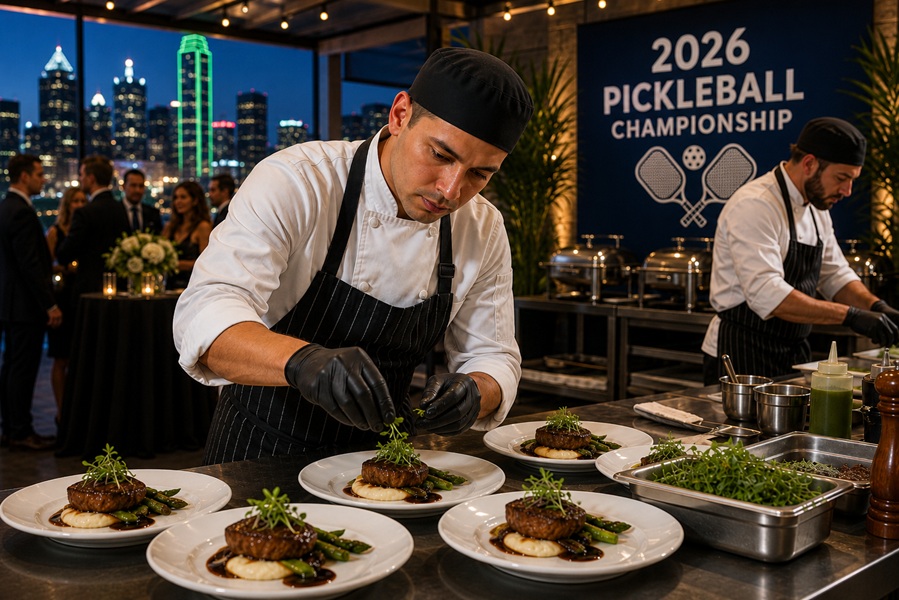
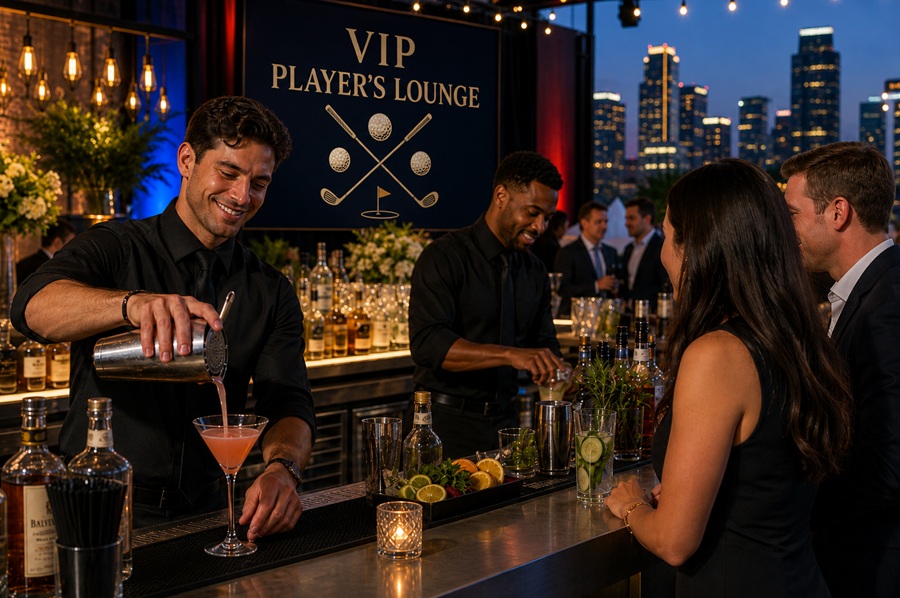
Bartenders and catering teams frequently operate within some of the busiest hospitality areas during major sporting events. Bars, portable beverage stations, VIP lounges, outdoor activations, and executive hospitality areas may all require beverage staffing support throughout the event cycle. Sporting event hospitality staff may assist bartenders through barback support, beverage restocking, glass clearing, guest guidance, and food presentation coordination. Catering teams may simultaneously support buffet stations, passed appetizers, private receptions, and hospitality suites throughout the venue.
Large sporting events also require hospitality teams capable of adapting quickly to changing attendance levels and service demands. Staffing flexibility helps venues maintain organized operations while reducing delays during periods of elevated guest activity. Premium food and beverage teams may also support service staff functions, bussing staff, and venue based service roles during receptions, private parties, and sponsor events. Fast paced hospitality environments often demand both speed and presentation quality at the same time. Experienced staffing teams help maintain this balance throughout crowded event periods and rapid service transitions.
Sporting Event Hospitality Staff Coordinate with Security and Guest Services Teams
Sporting event hospitality staff frequently operate alongside security personnel, guest services teams, event managers, venue operators, and production crews throughout large scale event environments. Successful hospitality operations often depend on coordinated communication between multiple staffing divisions at the same time. Hospitality environments may require controlled access procedures, VIP credential verification, guest movement coordination, and service support throughout the event cycle. Hospitality staffing teams frequently work closely with sporting event security personnel and guest services staff to maintain organized premium event areas.
Many sporting events also involve hospitality activations operating alongside concerts, sponsor events, outdoor festivals, and media functions within surrounding entertainment districts. Coordinated staffing structures help these overlapping environments operate more smoothly during periods of elevated attendance. Premium hospitality entrances may also rely on registration staff, badge scanners, and directional staff to support guest intake and movement toward private event spaces.
Supporting Sponsor Receptions and VIP Activations
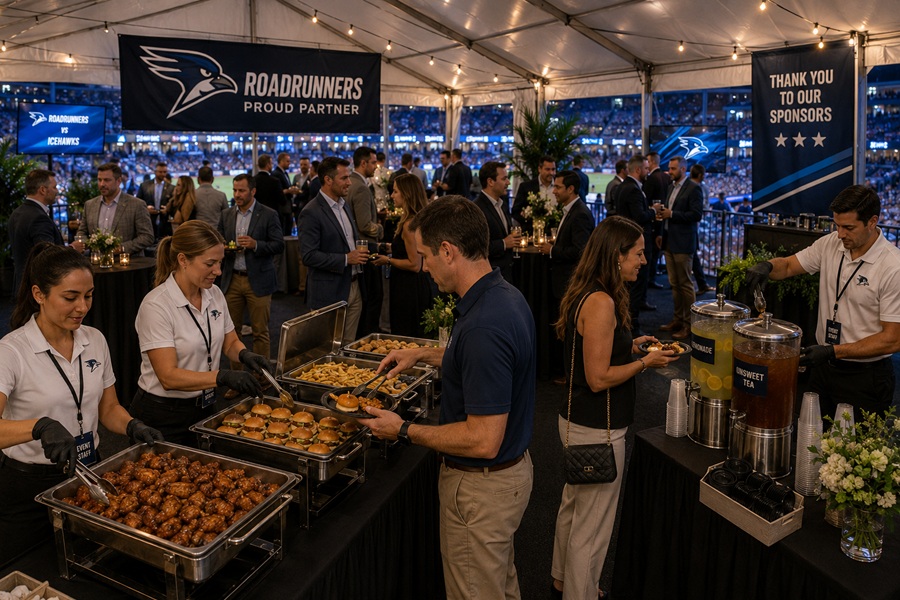
Modern sporting events frequently include sponsor hospitality experiences, executive networking events, media receptions, investor gatherings, and private VIP activations. These environments often require hospitality teams capable of balancing organization with polished guest interaction. Sporting event hospitality staff may assist with registration support, food presentation, beverage coordination, table maintenance, reception service, and attendee guidance throughout these hospitality environments. Sponsor experiences often place additional emphasis on presentation quality and overall guest perception.
Many large sporting events now function as major business and networking environments alongside the primary competition itself. Hospitality staffing teams support these interactions while maintaining organized and professional event atmospheres. Some sponsor environments may also overlap with sporting event marketing staff, especially when hospitality lounges include product demos, brand activations, or premium guest engagement. Guests attending sponsor hospitality environments often expect elevated presentation standards throughout the event cycle. Organized staffing and polished interaction help reinforce the exclusivity surrounding these premium experiences.
Sporting Event Hospitality Staff Support Outdoor Festivals and Entertainment Districts
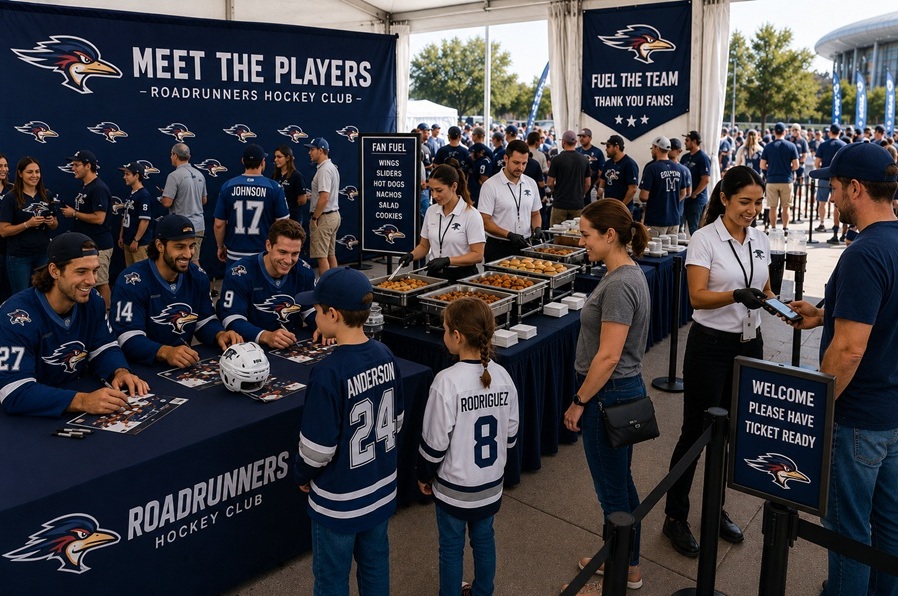
Modern sporting event hospitality operations frequently extend beyond the stadium itself into surrounding entertainment districts and outdoor event environments. Fan festivals, luxury tailgates, rooftop receptions, outdoor sponsor villages, and VIP hospitality tents often require organized hospitality staffing support throughout the event cycle. Sporting event hospitality staff working outdoor environments may assist with beverage stations, buffet service, portable bars, VIP seating areas, sponsor lounges, and guest interaction throughout large scale outdoor activations. These event environments often operate continuously for extended periods during major sporting weekends and tournaments.
Outdoor hospitality operations also create changing conditions throughout the day. Weather shifts, transportation flow, crowd surges, entertainment schedules, and changing attendance levels may all affect staffing demands throughout the event environment. Large outdoor event planners often study major sporting event planning lessons to understand how hospitality, movement, and guest experience intersect during complex event weekends.
Maintaining Professional Service During High Attendance Events
Large sporting events frequently create rapid shifts in crowd concentration and guest movement throughout hospitality environments. Intermissions, halftime periods, post game celebrations, and entertainment transitions may all increase service demand within short windows. Sporting event hospitality staff help venues maintain organized service during these periods through active communication, staffing coordination, buffet management, beverage replenishment, and consistent guest interaction throughout the event cycle.
Hospitality teams capable of adapting calmly during changing event conditions often help stabilize the overall guest experience. Their presence also helps maintain a more polished atmosphere throughout premium event environments. Outdoor hospitality environments rarely remain static throughout the event day. Staffing teams capable of adjusting calmly to shifting guest movement and changing operational conditions often help maintain smoother service throughout the venue footprint.
Sporting Events Require Flexible and Professional Staffing Teams
Successful events depend heavily on professionalism, reliability, communication, appearance, and adaptability. Hospitality staff frequently operate within highly visible public environments where guest interaction directly influences attendee perception. Sporting event hospitality staff may interact with corporate executives, sponsors, athletes, venue ownership groups, media personnel, hospitality clients, and large crowds throughout a single shift. Event organizers often value staffing teams capable of maintaining polished presentation standards during fast paced conditions.
Many sporting events also require staffing providers capable of scaling hospitality operations across multiple event environments at the same time. Premium suites, outdoor activations, VIP lounges, sponsor receptions, and food service areas require independent bar and waiter teams with competent captains. Large event organizers often seek event staff providers capable of supporting hospitality teams while also coordinating with broader staffing divisions across the event.
Flexible Hospitality Staffing Across Large Event Environments
Modern sporting events often combine luxury hospitality, entertainment, sponsor engagement, media operations, and live competition into one integrated event experience. Hospitality staffing teams must therefore remain coordinated across multiple zones at the same time. Sporting event hospitality staff frequently transition between responsibilities throughout the event cycle. Waitstaff set up before shifting to reception duties, buffet service and then suite maintenance.
Event organizers often benefit from staffing partners who understand how hospitality connects with guest services, security, transport and event management. Coordinated staffing systems help large sporting events operate more smoothly while supporting stronger guest experiences. Complex hospitality environments function more effectively when staffing teams understand event logistics. This includes guest movement, presentation standards, timing, and venue logistics influence the overall event atmosphere throughout the day.
Reliable Sporting Event Hospitality Staff Help Create Memorable Event Experiences
Sporting event hospitality staff support much more than food and beverage service alone. Organized hospitality teams help reinforce presentation quality and improve guest interaction. They also support continuity and create more polished entertainment environments throughout large sporting events. Modern sporting events now function as complete entertainment ecosystems. They combine sports, hospitality, sponsor activations, executive networking, fan engagement, and live entertainment into one coordinated experience. These complex environments require staffing teams capable of maintaining professionalism while supporting elevated guest experiences throughout the event cycle. From owner suites to VIP hospitality lounges, professional service staff create memorable experiences for all guests alike.