




Flexible Work in Events and Hospitality in 2026
Flexible Work in Events and Hospitality – At a Glance:
- Flexible work continues to grow as workers seek control over schedule and income.
- Event staffing provides fast entry into paid work without long hiring cycles.
- Dallas and Houston both offer strong demand across weddings, conferences, and private events.
- Workers can gain experience across multiple roles including service, banquet, and event operations.
- Flexible work in events often leads to repeat opportunities and higher-paying assignments over time.
Best Flexible Work in Events and Hospitality for a Changing Workforce
Work no longer follows a single predictable path, and more people are looking for ways to earn income without locking into rigid schedules or long hiring timelines. Many workers now prioritize flexibility, speed of entry, and the ability to adapt work around real life demands. In that environment, flexible work in events has emerged as one of the most practical options for people who want both income and control. Cities like Dallas and Houston support steady demand through weddings, corporate functions, conferences, and private events. This demand creates consistent opportunities for event staff who are ready to step into fast-paced environments and contribute immediately.
Why More Workers Are Moving Toward Flexible Roles
Traditional employment models often fail to meet the needs of workers dealing with shifting schedules, family obligations, or career transitions. Teachers, students, hospitality workers, and professionals coming out of layoffs all face different pressures that make rigid schedules difficult to maintain. Flexible roles allow workers to choose when they work and how often they take assignments. In many cases, event staffing provides that flexibility while still offering structured, team-based environments. This combination allows people to stay active in the workforce without committing to a fixed weekly schedule.
Professional Flexible Work in Events Across Dallas and Houston
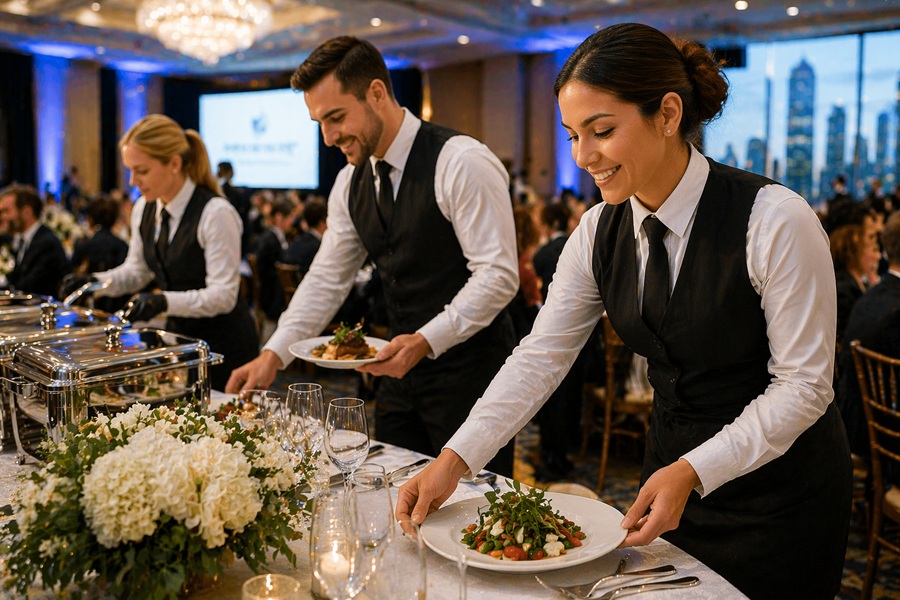
Event environments provide a wide range of roles that allow workers to build experience while earning income across different types of assignments. These roles may include service staff, banquet staff, event support, and general event staffing responsibilities depending on the event. In major markets, flexible work in events connects workers to weddings, conferences, trade shows, and private gatherings throughout the year. Those looking to get started can explore opportunities through an event staff jobs in Dallas page or similar job hubs that reflect real-time demand. For workers who stay consistent and dependable, these assignments often turn into repeat opportunities across multiple venues and clients.
How Different Event Types Create Ongoing Opportunities
Each event category brings its own staffing needs, which creates a steady pipeline of work across the calendar. Weddings require coordinated service teams, corporate events rely on structured execution, and conferences demand logistical support across multiple spaces. Workers who participate in these environments gain exposure to different service styles and event formats in a relatively short period of time. In cities like Houston, additional opportunities can be found through resources such as flexible event jobs in Houston, which reflect ongoing demand in that market. This variety helps workers build experience quickly while maintaining flexibility.
Reliable Flexible Work in Events for Fast Income Without Long Hiring Cycles
Many job seekers are not just looking for work, they are looking for work that starts quickly and produces income without delay. Traditional hiring processes often involve multiple interviews and long waiting periods before a position begins. In contrast, flexible work in events allows workers to move from application to assignment in a much shorter timeframe. Staffing agencies and event staffing companies operate on live schedules tied directly to event dates, which accelerates the hiring process. For workers who need immediate income, this structure offers a practical advantage over slower, more traditional job channels.
Why Speed of Entry Matters in Today’s Job Market
Speed matters most for workers dealing with sudden changes such as layoffs, reduced hours, or unexpected expenses. A job that takes weeks to start does not solve an immediate income problem, even if it offers long-term stability. Event staffing addresses this gap by allowing workers to begin earning quickly while they evaluate longer-term options. Those who remain available and responsive often receive more consistent assignments over time. This ability to convert availability into income is one of the strongest advantages of flexible work in events.
Local Flexible Work in Events Connected to Real Event Environments
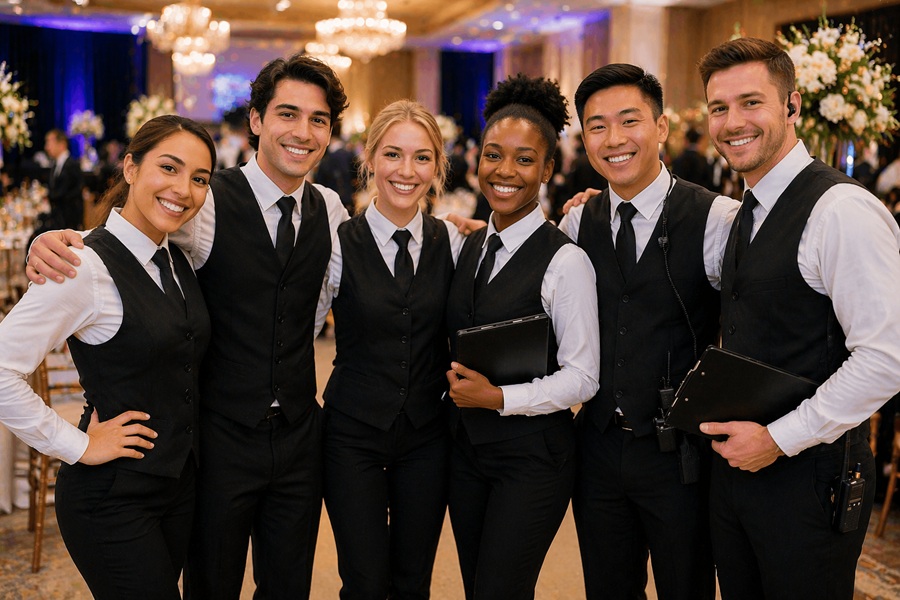
Event work offers more than just income because it places workers inside real environments where coordination, timing, and teamwork determine success. Assignments may involve supporting wedding staff in Dallas, assisting catering staff in Dallas, or working alongside banquet staff in Dallas in large-scale service environments. This exposure helps workers understand how events are built from the ground up rather than viewing them from the outside. It also builds transferable skills such as communication, organization, and service awareness. Over time, that experience becomes valuable across multiple industries.
How Event Work Builds Transferable Skills
Workers in event environments develop skills that extend beyond a single job or role. They learn how to operate under time pressure, coordinate with teams, and respond quickly to changing conditions. These skills apply to hospitality, operations, management, and customer-facing roles in other industries. Because each event presents a slightly different challenge, workers gain a broader range of experience than they would in a static position. This makes event staffing both a short-term solution and a longer-term development opportunity.
Highly Rated Flexible Work in Events for Long-Term Opportunity
The strongest staffing systems do more than fill shifts, they create pathways for workers who perform consistently and build trust over time. A new worker may begin with basic event staff assignments, but reliability often leads to more frequent work and higher-value opportunities. Flexible work in events allows workers to scale their involvement based on availability and performance. Those who take the work seriously often find themselves moving into more trusted roles within staffing teams. This progression allows flexible work to evolve into something more stable without losing its core advantage of schedule control.
Why Consistency Leads to Better Opportunities
Consistency is one of the most valuable traits in event staffing because teams depend on each member to perform under real-time conditions. Workers who show up prepared and execute reliably become preferred choices for future assignments. Over time, that reputation leads to better shifts, stronger venues, and more consistent income opportunities. This dynamic rewards professionalism and effort more directly than many traditional jobs. For workers willing to commit to that standard, the upside becomes clear.
Flexible Work in Events Built for the Modern Workforce
The workforce continues to shift toward flexibility, adaptability, and multi-source income strategies that reflect real-world needs. Event-driven work fits naturally into this shift because it operates on demand, adjusts to schedules, and provides exposure to a wide range of environments. Flexible work in events allows individuals to stay active, earn income, and build experience without committing to a single path. In active markets like Dallas and Houston, that combination makes it one of the most practical options available. For many workers, it becomes both a bridge and a long-term advantage.